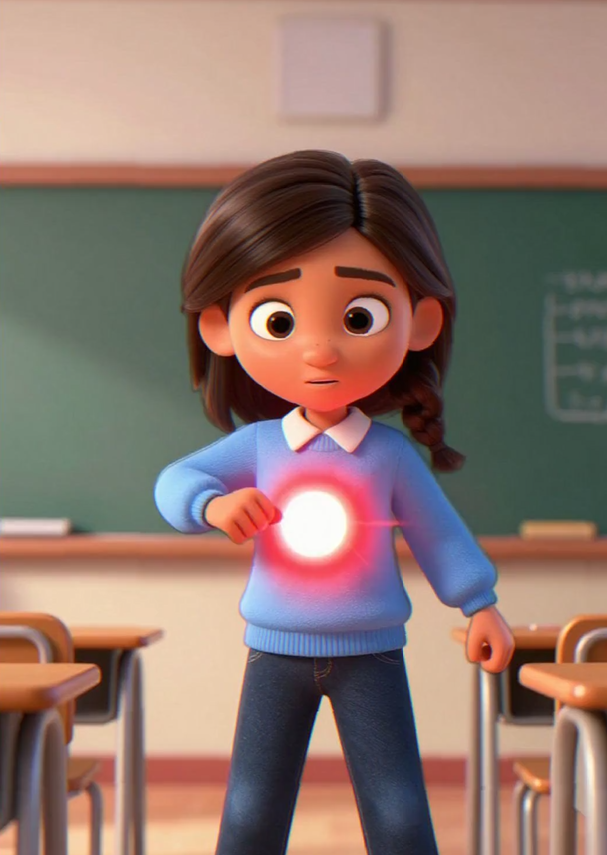
It's not drama.It's not attention-seeking.And it's definitely not because she's "too sensitive."
🧠 For many children with ADHD, criticism can feel much bigger than the words being said.A teacher circles one answer.
A parent points out one mistake.A coach gives one piece of feedback.But what they hear is:
❌ "I'm not good enough."
❌ "I failed again."
❌ "Everyone is disappointed in me."
This is why many ADHD children experience Rejection Sensitive Dysphoria (RSD) — an intense emotional reaction to perceived criticism, rejection, or failure.And after years of being corrected for forgetting, interrupting, losing things, or making careless mistakes, even small feedback can feel overwhelming.
💡 How to give feedback more effectively:
1️⃣ Connect first"I can see you worked hard on this."
2️⃣ Correct the work, not the child"This answer needs fixing" instead of "You got it wrong."
3️⃣ Focus on one thing at a timeToo much feedback can feel like a personal attack.
4️⃣ Offer a path forward"Let's work through this together."
5️⃣ End with confidence"I know you can do this."
❤️ A child who cries over one mistake isn't being dramatic.Sometimes they're carrying years of feeling like they can never get it right.
Follow @StruggleSmart for practical ADHD, Dyslexia & SEN parenting tips.#ADHDParenting#RejectionSensitivity#RSD#EmotionalRegulation#ADHDKids Neurodiversity SpecialNeedsParenting ExecutiveFunction StruggleSmart ADHDAwareness